




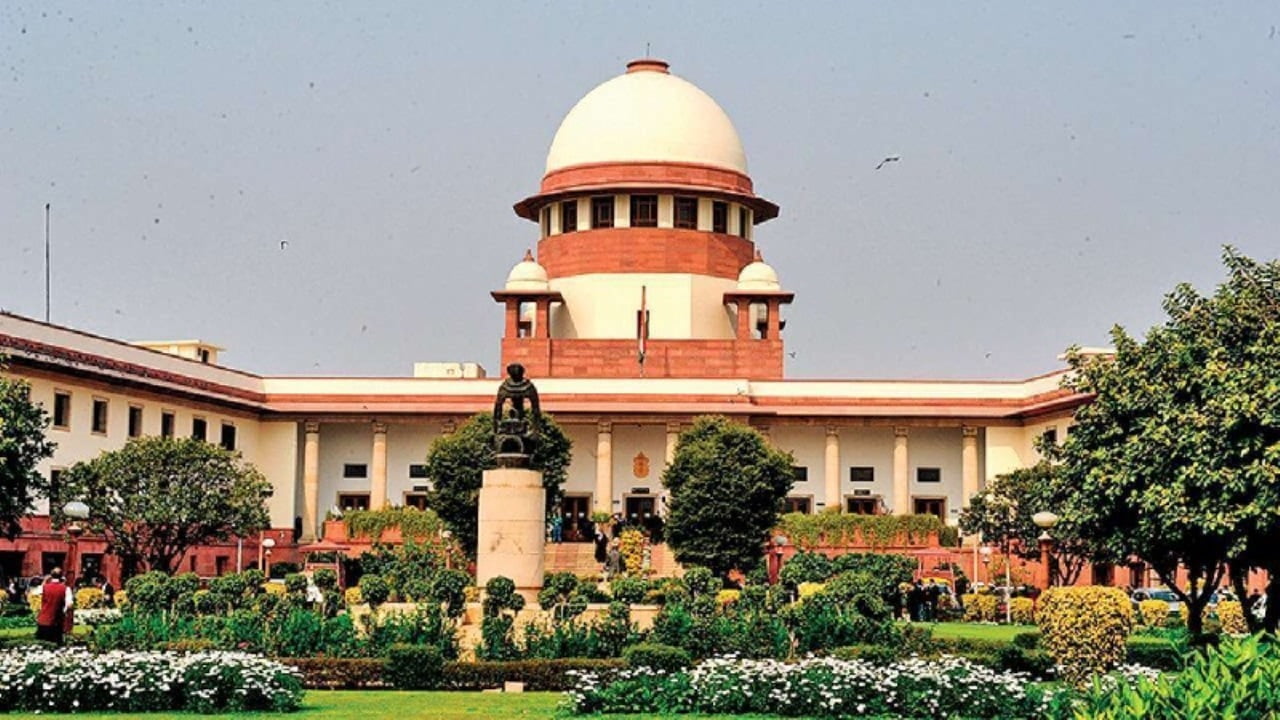
New Delhi: The Supreme Court is examining the rules governing the appointment of DGPs across States in the light of its directions in the Prakash Singh case. Jharkhand is at the centre of the proceedings, but the issue has now widened, with the Court seeking details of the arrangements followed by all States.
During the hearing, amicus curiae and senior advocate Raju Ramachandran told the Court that the Jharkhand rule governing the appointment of the DGP was contrary to the directions laid down in the Prakash Singh judgment. The Court had also expressed a prima facie view on this in its October 8, 2026 order.
In that order, the Court had observed that if the rule was found invalid, the consequential appointment of the incumbent DGP would also have to be set aside. The State government was asked to serve notice on the officer, giving her an opportunity to appear before the Court. Jharkhand was also given the option of revisiting the rule or filing its response.
The incumbent DGP’s appointment itself came up during the latest hearing. Tadasha Mishra, the serving DGP of Jharkhand, was appointed a day before her retirement and has continued in the post for around eight to nine months thereafter, counsel submitted. The submission was that a retired officer, otherwise ineligible, had continued as the State police chief.
Senior advocate Kapil Sibal, appearing for Jharkhand, told the Court that he had spoken to the Chief Secretary and that the State would examine the matter before filing an appropriate application or affidavit. The incumbent DGP has also entered appearance through counsel and will file her response.
Ramachandran said he had already submitted his report on Jharkhand. He also informed the Court that he had examined similar arrangements in other States. According to him, rules similar to the one in Jharkhand exist in Uttar Pradesh and Punjab.
He referred particularly to Uttar Pradesh, which, despite having a similar rule, has stated in its affidavit before the Court that it is continuing to follow the Prakash Singh directions.
The amicus said that examining the Jharkhand rule in isolation would not be appropriate, as the Court’s decision could have implications for other States with similar provisions. He has therefore undertaken a wider exercise to identify the rules and arrangements adopted across the country.
The Chief Justice asked him to submit a comprehensive report identifying deficiencies in the systems followed by different States. The report will cover the legislative and executive arrangements adopted for DGP appointments.
The Court also discussed the need to establish whether States have enacted separate laws, framed rules or issued executive orders, and whether these are actually being implemented. Ramachandran referred to an application filed by Prashant Bhushan on behalf of Prakash Singh, seeking details from the Union government and States on these very issues.
The Court agreed that the Union government could provide a consolidated account of the existing legislative and executive frameworks across States and asked it to file replies. Solicitor General Tushar Mehta agreed to the suggestion.
On the Jharkhand issue, the Court directed the Registry to accept the comprehensive note from the amicus and circulate it among the counsel for the parties. The incumbent DGP has been permitted to file her counter-affidavit by November 16, 2026.
The matter will now be examined in the light of the amicus report, the State government’s response and the incumbent DGP’s counter-affidavit.













 Get Latest Updates