


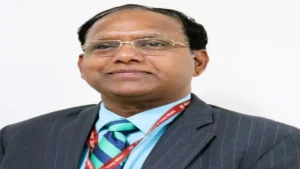
Writing about Maharashtra bureaucrat Tukaram Mundhe, what comes to mind is a basic question—what makes a person so special in public life? The answer is simple: a man becomes special in public life not merely because of the power and position he holds but because of the value he brings to society; the man who remains honest in his feelings for the common man’s problems, puts public interest above personal gain, and treats everyone’s life with dignity and concern. Mundhe is just like that.
A 2005-batch IAS officer, Mundhe is currently posted as Maharashtra Food and Drug Administration (FDA) Commissioner. The reason why he has attracted wide public attention is that he has left Mumbai’s food and drug businesses shaken through a wave of raids targeted at wholesalers, manufacturers, retailers, and restaurants across the state.
His actions have shut down some of Mumbai’s most iconic eateries, like the Noor Mohammadi Hotel, Shalimar Restaurant, K Rustom & Co., the Cricket Club of India, Willingdon Sports Club, and Juhu Gymkhana. They all have faced actions like shutdowns or licence suspensions after FDA teams flagged serious hygiene lapses as Mundhe’s actions follow a set pattern—confiscation of samples, followed by suspension of licences with enforcement action set in motion.
What Mundhe has contributed to society is that it has reopened a broader debate about food safety standards in the commercial capital of the country, which also happens to be one of India’s most food-obsessed cities.
Then Mundhe turned his attention to enforcing the Drugs and Cosmetics Act and launched a statewide inspection of Ayurvedic drug manufacturers, checking 434 licensed units. It led to 135 manufacturers being handed show-cause notices, while 10 had their licences permanently cancelled.
But raids are not what make Mundhe stand out in the crowd of bureaucrats. His career graph also throws light on his bureaucratic journey, having been transferred 25 times in 21 years of service.
It was his stint as Solapur’s district collector, starting in 2014, that pushed him first into the public glare. His Jalyukt Shivar programme helped people tide over the chronic water crisis. It earned him the sobriquet of “Water Man of Maharashtra.
After he took over as Commissioner of the Navi Mumbai Municipal Corporation, he became famous for conducting early-morning “Walk with Commissioner” inspections to see civic issues firsthand rather than through paperwork alone.
His style of providing hands-on governance by cracking down on illegal construction and improving property tax collection, among others, endeared him to the public.
A 1975-born Mundhe comes from a farming household of Tadsonna village in Beed district. After his initial education at Zilla school, he went to Aurangabad for higher education and went on to crack the UPSC Civil Services Examination in 2004, securing 20th position in the All India Ranking despite failing twice in Mains and missing final selection on the third attempt.
His leap from a remote Maharashtra village to one of the country’s most influential services seems to have been inspired by his elder brother, who was the first graduate in the village and later became a civil servant.
The specialty of Mundhe’s actions lies in the fact that they are legally correct, morally sound, and for the betterment of the common people.
This Maharashtra bureaucrat is going to be remembered by people for a long time, not because of his position but because of how useful, trustworthy, and humane he was.
By: Dinesh Kumar






















 Get Latest Updates