

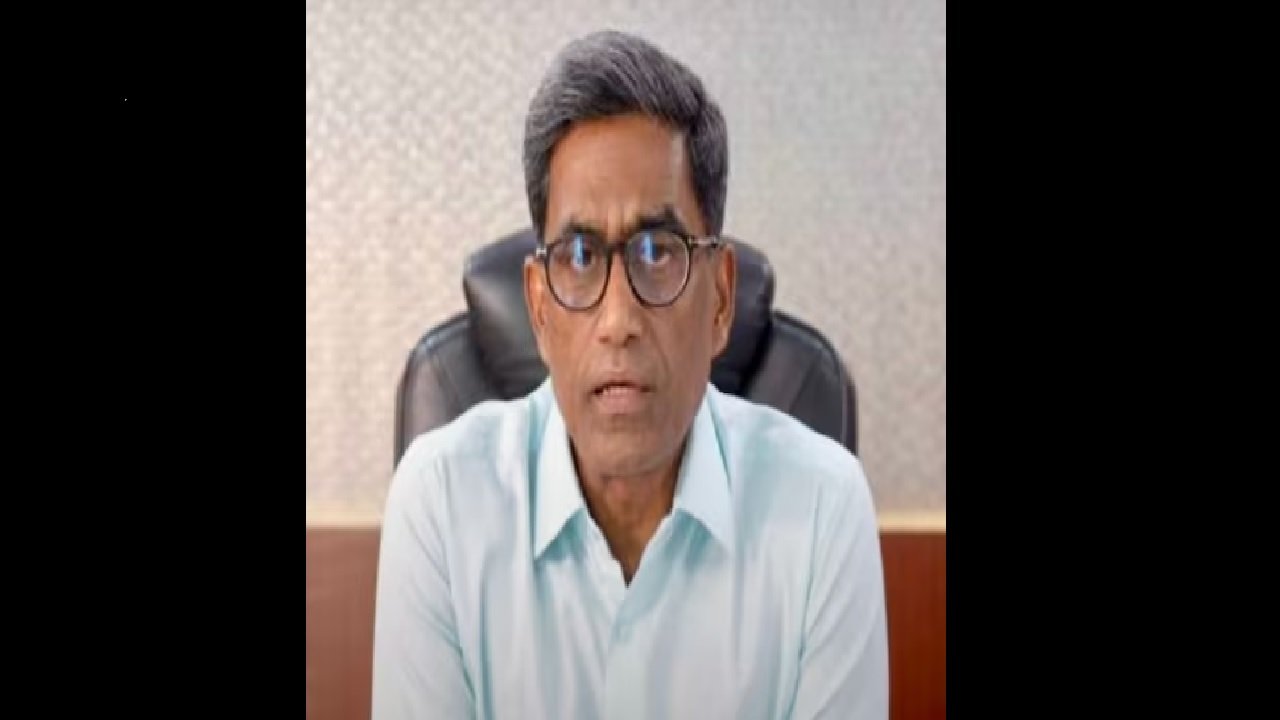
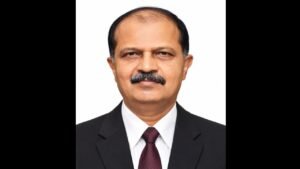
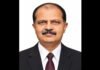
Matching an austerity push reflecting Prime Minister Narendra Modi’s repeated calls for leaner governance and expenditure control, Bihar Chief Secretary Pratyaya Amrit (IAS:1991:BH) has issued one of the strongest cost-cutting directives seen in the state bureaucracy in recent years.
The Chief Secretary issued the directives on May 26 to all Additional Chief Secretaries, Principal Secretaries, Divisional Commissioners and District Magistrates across the state.
According to the directive, physical meetings are to be replaced, wherever possible, by video conferencing, and carpooling is to be encouraged across departments. Similarly, electricity consumption is to be monitored aggressively with air-conditioners, lights and electrical equipment not to remain switched on unnecessarily. Departments are being nudged towards electric vehicles, while foreign travel by officials will generally remain restricted for the next six months.
Among the order’s most significant instructions is the direction that official meetings should increasingly move online. State-level meetings are to be conducted through video-conferencing except in exceptional circumstances while district-level reviews are also expected to minimise physical gatherings.
The latest directive reads like the accumulated belief of an administrator who knows governments are expected to deliver despite limited resources. The message is clear: no wasteful expenditure in the system.
The symbolism is important as for meetings officers travel long distances, entire district establishments rearrange themselves around review sessions, and vast amounts of time, fuel and administrative energy disappear into procedural choreography. Bihar’s latest directive effectively asks a blunt question: if technology can accomplish the same purpose, why continue the physical ritual?
The same logic underpins the push for car-pooling. The energy-conservation component of the directive is even more revealing. Departments have been instructed to appoint nodal officers responsible specifically for monitoring electricity consumption. Offices have been encouraged to install central switching systems capable of regulating electricity usage more efficiently.
District administrations have additionally been instructed to conduct energy-conservation campaigns across subordinate offices. Departments are also required to examine whether previously sanctioned solar-energy systems are functioning and, where absent, to explore the installation of solar arrangements across government buildings.
Official overseas visits by government officers will generally remain prohibited for the next six months. Such restrictions are often politically sensitive because official tours function not merely as administrative exercises but also as institutional privileges. By curtailing them, the state government appears keen to signal that financial restraint must begin at the top of the hierarchy itself.
All drawing and disbursing officers have been directed to ensure that fuel and electricity expenditure within their offices falls below corresponding levels during the same period last year.
At one level, the directive reads like a conventional government order on financial discipline. At another, it is an attempt to alter the everyday habits of administration in one of India’s poorest yet politically consequential states.


















 Get Latest Updates