

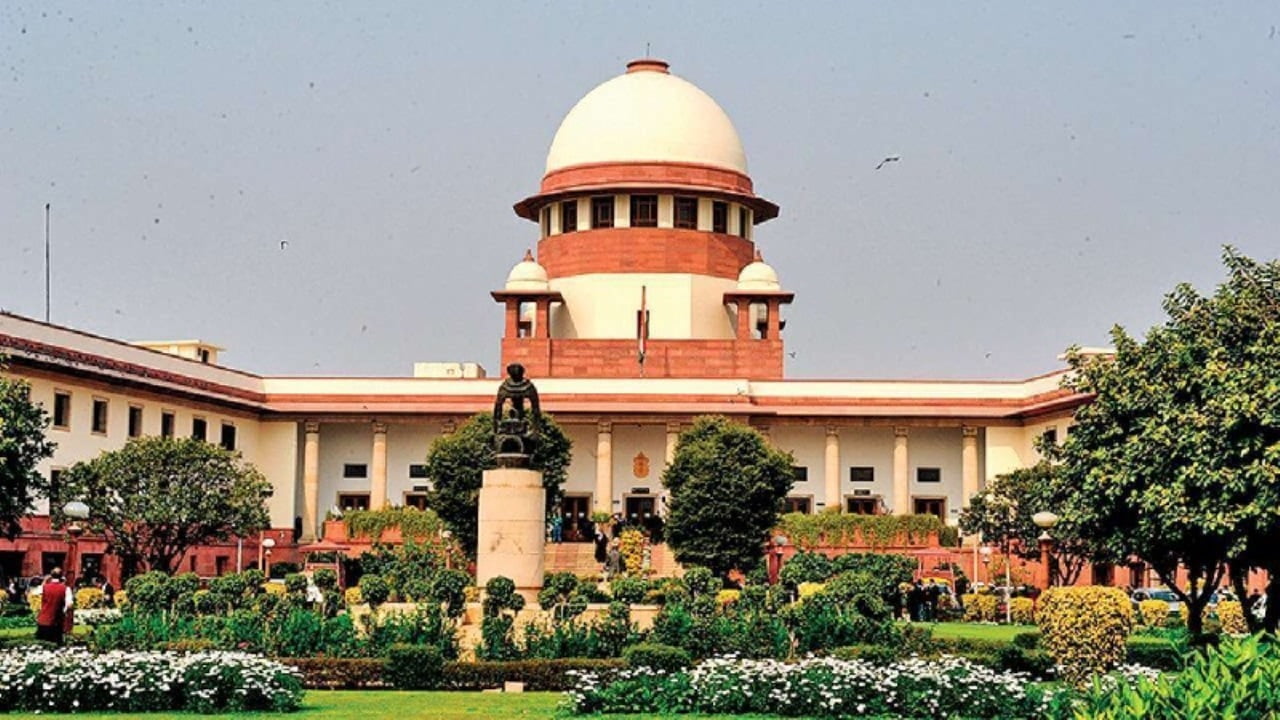
Defining the professional status of judicial officers in the country, the Supreme Court on Wednesday said that judicial officers are not government employees and need to be treated differently, as judicial service is fundamentally different from executive service.
The apex court made this observation while considering a proposal to increase the retirement age of district judges from 60 to 62 years.
The bench comprising Chief Justice of India Surya Kant, Justice Joymalya Bagchi, and Justice V Mohana granted the states and Union Territories (UTs) two weeks to reconsider their views over enhancing the retirement age for judges.
The court dismissed the argument that enhancing the retirement age would put financial burden on states and UTs.
On the contrary, the top court said that retaining experienced judicial officers could actually reduce the financial liability for the states compared to paying pensions and hiring new officers. Highlighting the role of experience in the legal profession, the apex court noted that expertise gained over decades is too valuable to lose prematurely.
The top court also rejected the argument that a higher retirement age for judicial officers will bring disparity between them and regular state government employees, saying while judicial officers are appointed by states under a constitutional scheme, they remain a separate class.
The court also pointed out that different superannuation ages already exist for different professions, such as doctors and professors.
The apex court, in its earlier order passed on July 22, had directed the High Courts to make time-bound decisions on the matter. As an interim measure, the top court allowed judicial officers to continue their service if their jurisdictional High Court and the respective state govt agree to increase their retirement age.
The Supreme Court, however, clarified that any final decision regarding the retirement age hike would apply with a retrospective effect to superannuation occurring on or after April 1, 2026. This directive is to ensure a smooth transition while the legal framework is finalised in various jurisdictions.


















 Get Latest Updates