

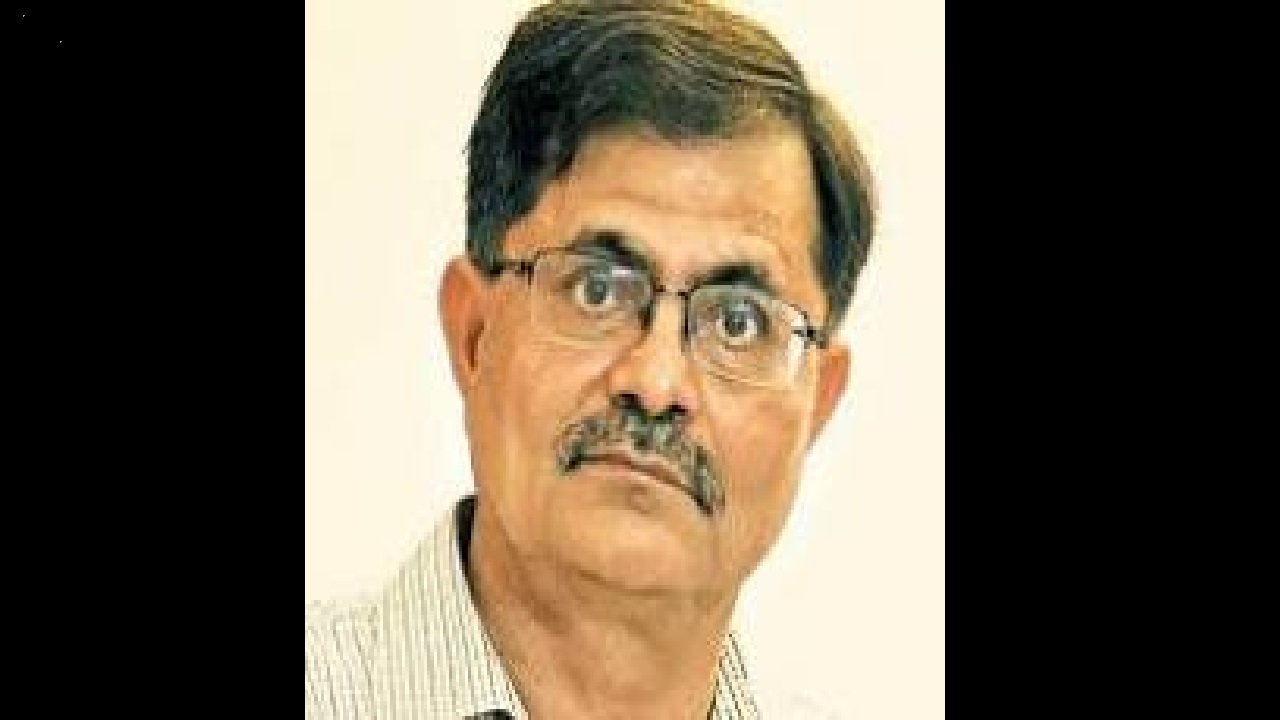
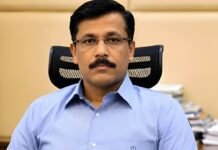
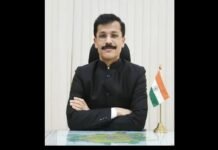
Maharashtra IAS officer Tukaram Mundhe (IAS:2005:MH) is currently in the news because he was transferred by the Devendra Fadnavis government in Maharashtra. It was Mundhe’s 24th transfer in his 21-year-long career span. Mundhe has been transferred to the state secretariat as Secretary of the Department of Disaster Management, Rehabilitation, Revenue and Forests from the post of Secretary of the Department of Persons with Disabilities (DPE).
He had been appointed to the position in August 2025, less than a year ago, and is currently being compared to Ashok Khemka, calling him Maharashtra’s Ashok Khemka.
This has sparked discussion about who the most frequently transferred IAS officers in this country are. In this context, the names of officers like Ashok Khemka (IAS:1991:HY) and Pradeep Kasni (IAS:1997:HY) surfaced.
It is widely believed that Haryana’s famous IAS officer Ashok Khemka holds the record of having the highest number of transfers in his bureaucratic career, but in reality, another Haryana IAS officer, Pradeep Kasni, holds that record.
Kasni, who joined the State Administrative Service (SAS) in 1984 and was later promoted to the IAS in 1997, was transferred around 70 times during his 33-year career, even more than Khemka, who is said to have been transferred a total of 66 times in his career.
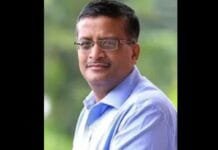
Known as a strict officer with his temperament being a bit different, Khemka’s identity was created by his transfers. Khemka was in the news for many cases, including Robert Vadra’s land deal.
But few people know that the record of maximum transfers was not in the name of Ashok Khemka but was held by another IAS officer, Pradeep Kasni, who was transferred a total of 70 times in his 33 years of IAS tenure. In this way, on an average, Kasni could not stay in one posting for even six months.
He retired in 2018, serving as an officer on special duty at the Land Use Board in Haryana. His last posting lasted only six months.
It is said that after he retired, the Haryana IAS Officers’ Association invited him to a tea party, but Kasni declined it, claiming that the association had strayed from its focus on the real issues.
He argued that the association never discussed the challenges officers face. Consequently, formalities like a cup of tea after retirement were meaningless.









 Get Latest Updates