

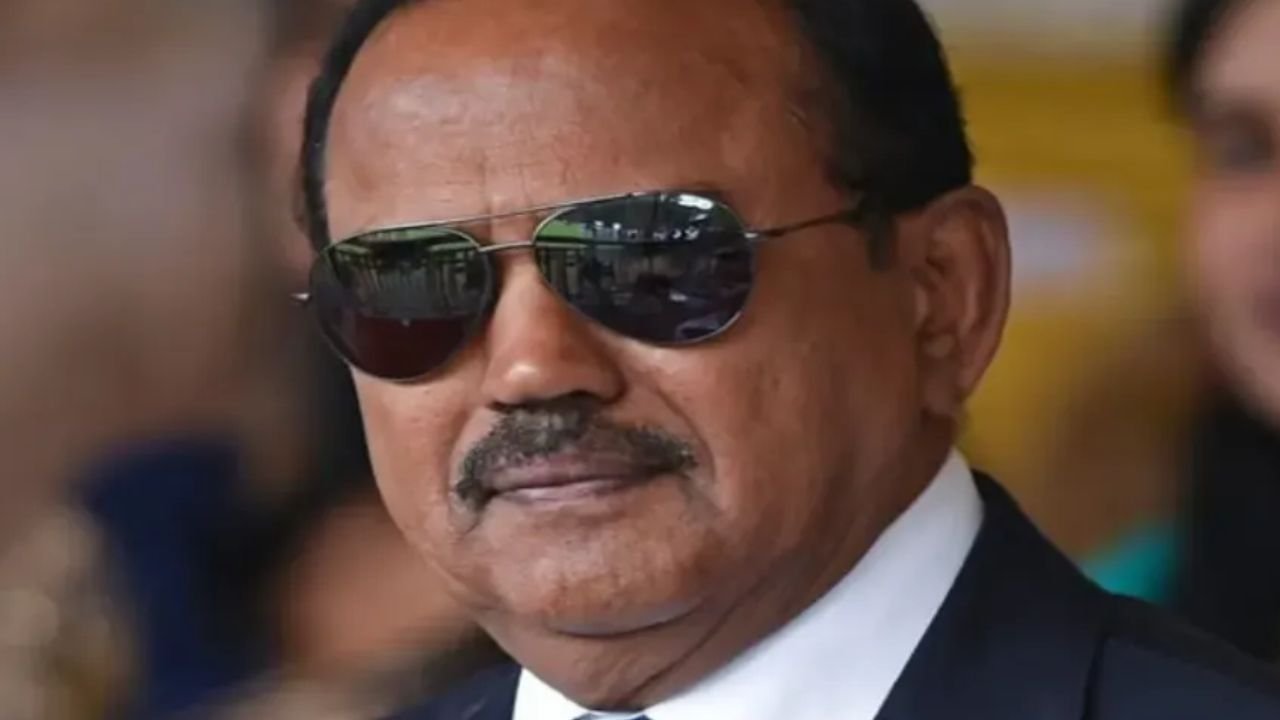
Even a simple reference to the impeccable persona of the man called Ajit Doval ignites wide public interest in knowing more about him. Often described as the James Bond of India, the story of India’s National Security Adviser (NSA) Ajit Doval’s exploits presents a fascinating account of an undercover operative, a master strategist, and a nationalist crusader. Doval’s entire career is known for handling critical national security challenges.
Doval often appears to be an enigmatic personality that has been unfolded in the superhit spy thriller Dhurandhar. Actor R. Madhavan portrayed the character of an IB chief modeled after Ajit Doval. The movie provides an insight into the persona of Doval by highlighting his daring undercover operations in Pakistan and the role he played during the IC-814 Kandahar hijacking crisis. The film opens with a scene depicting a character inspired by Doval negotiating during the IC-814 hijacking, reflecting Doval’s real-life involvement in that crisis.
A 1968-batch former IPS officer of the Kerala cadre, Ajit Doval is India’s 5th and the longest-serving National Security Advisor since May 2014. He is a premier intelligence expert known for counter-terrorism and operational strategy.
Born in Garhwal, Uttarakhand, in 1945, Doval earned a Master’s degree in Economics from the University of Agra in 1967 and joined the elite Indian Police Service (IPS) in 1968. Doval spent over 33 years in the Intelligence Bureau (IB), serving in high-conflict areas like Jammu & Kashmir, Punjab, and the Northeast.
The dynamic role he played in the termination of insurgency in Mizoram and the political merger of Sikkim is often found by many to be a cock-and-bull story that continues to inspire young police officers all through the country. And not to forget those six years that he spent undercover in Pakistan.
The fact is, intelligence leadership has been a forte of this legendary former civil servant. He was the founder-chairman of the Multi-Agency Centre (MAC) and Joint Task Force on Intelligence (JTFI). Doval retired as the Director of the Intelligence Bureau (IB) in 2005.
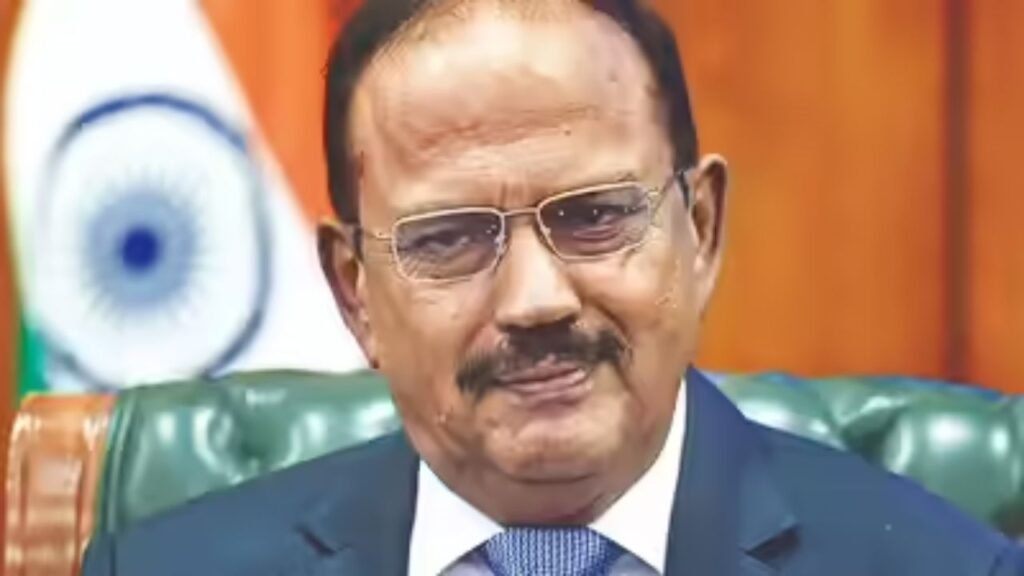
But the story of Doval’s grand policing career does not stop here. He is the youngest police officer to receive the President’s Police Medal for meritorious service (received after just 7 years of service) and is a recipient of the prestigious Kirti Chakra (2005), one of India’s highest peacetime gallantry awards.
Being the country’s longest-serving NSA, Doval plays a critical role in shaping India’s security, foreign policy, and strategic autonomy. He has been rising in his stature as the time passes by, and that was the reason why he was granted Cabinet rank during his second term as the NSA.
What is today described as the real-life “Doval Doctrine” is virtually a muscular security policy, rather than a historical knee-jerk response to its threat.
The impact of his strategic maneuvering has been brilliant. Doval as NSA is credited with influencing major security decisions, including the 2016 surgical strikes, the 2019 Balakot airstrikes, and the resolution of the 2017 Doklam standoff.
Despite being an octogenarian, Doval continues to lead high-level security dialogues and international engagements with an infectious zeal and energy even today.
By: Dinesh Kumar
















 Get Latest Updates