

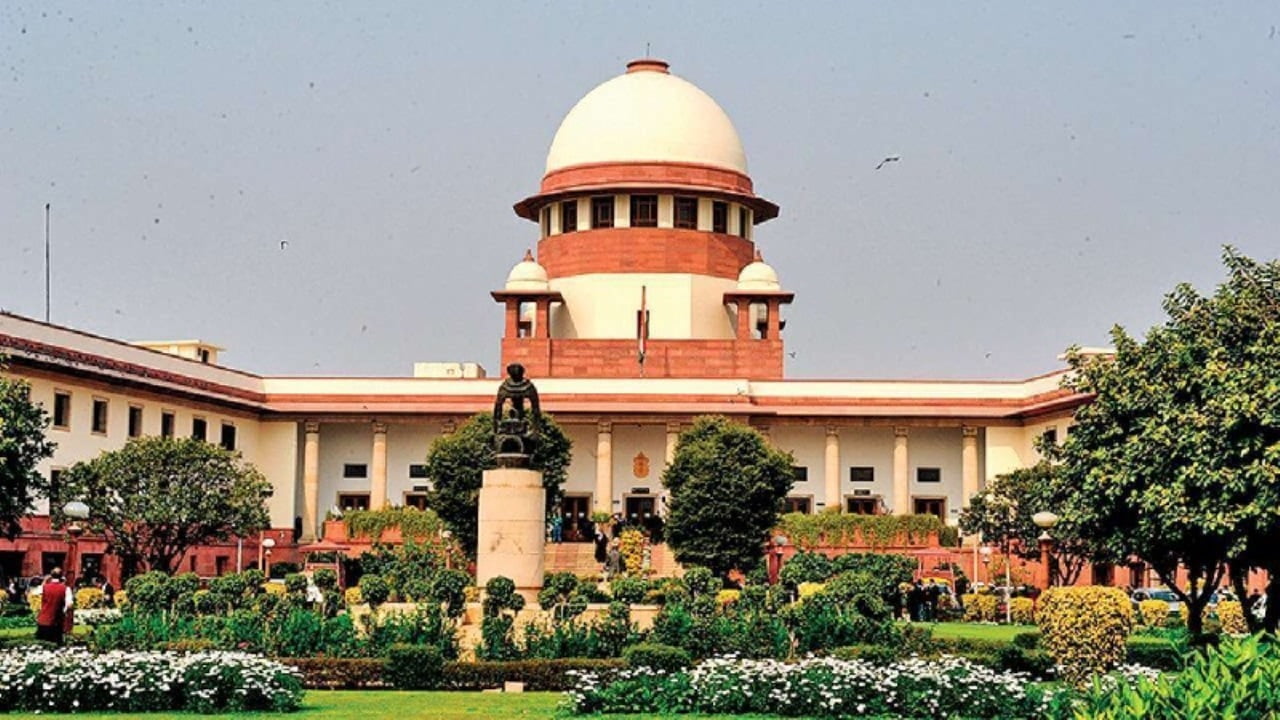
In a landmark verdict, the Supreme Court on Friday issued guidelines to High Courts fixing a three-month deadline to deliver reserved judgments. The apex court’s move is aimed at avoiding delay in delivering judgments, which are often reserved for an uncertain period.
It was issued by a bench of Chief Justice of India Surya Kant and Justice Joymalya Bagchi. As per the apex court’s guidelines, if a reserved judgment is not delivered within 3 months, an application can be filed before the Chief Justice to withdraw the matter to another bench.
The bench also clarified that the three months’ time limit would be counted from the date of reservation of the case for judgment.
In the order, the bench held that the bail orders must be ideally pronounced the next day and communicated to the jail the same day. The Court also ordered for the undertrials to be released the same day or the next day at the latest after getting bail.
Hitherto, there have not been any specific timelines within which judges have to deliver judgments. The convention is that the judiciary ought to pronounce judgments within a reasonable time, from two to six months, of reserving cases.
However, judges, including in the Supreme Court and the High Courts, have in practice reserved judgments for well over a year before delivering them.
Not only this, the Court also added that the operative part of a judgment must be announced in Court and reasons uploaded in a week, and the High Court websites must reflect the date of reservation of the judgment.
“The case would be allocated to another bench if the binding guidelines are not followed by the bench in question. The copies of the Supreme Court judgment must be placed before the Chief Justices of High Courts,” the top court said in its ruling.
Similarly, where only the operative part of the judgment is pronounced, the reasoned judgment must be uploaded within fifteen days.
The apex court also said that the Chief Justice of the High Court must ensure that necessary changes are made on the High Court website, where at the end of every month, an automated email is sent to the Chief Justice specifying all the reserved cases pending in that month along with the copy to the bench that reserved the judgment.
The Supreme Court took up this issue while considering a writ petition filed by four convicts who alleged that their criminal appeals, reserved by the Jharkhand High Court in 2022, remained pending for two to three years without judgment. They argued that such delays violated their right to life and personal liberty under Article 21 of the Constitution.


















 Get Latest Updates