

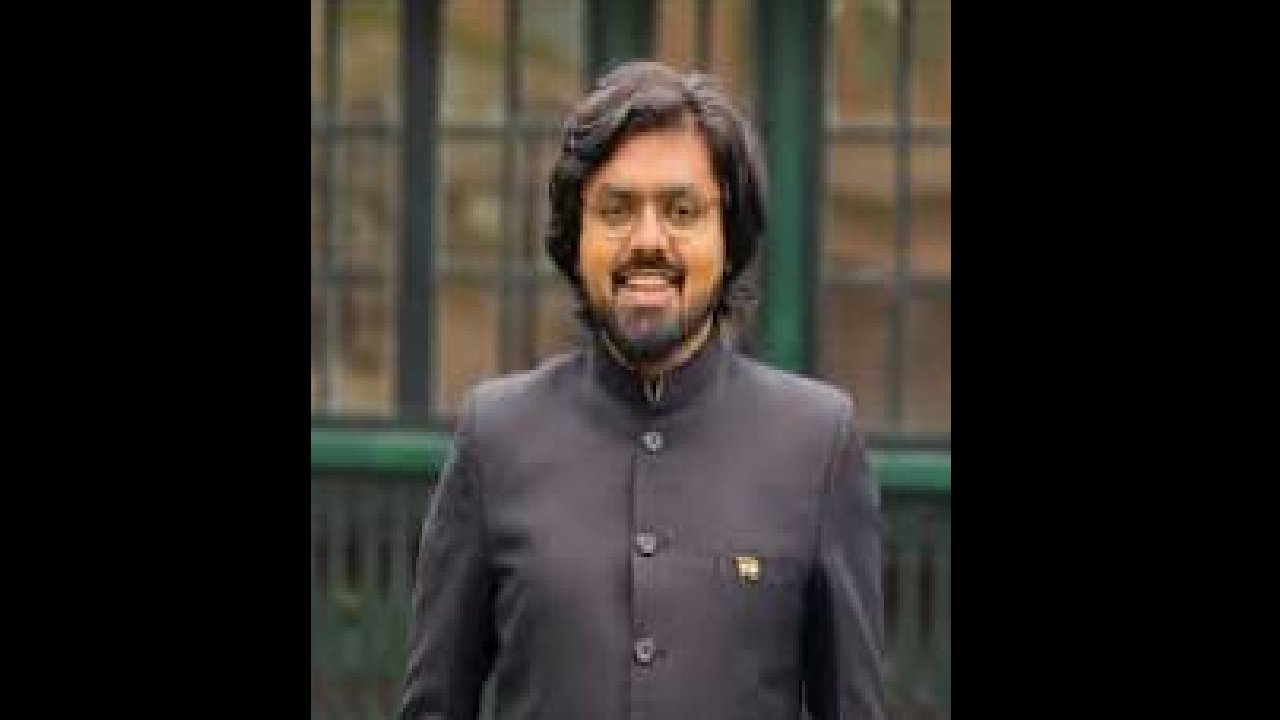
While the Congress-led United Democratic Front (UDF) is yet to form its government in the state, the Kerala bureaucracy has got busy discussing bureaucratic reforms in the state, thanks to its blueprint shared on social media by a young IAS officer on Sunday.
The young bureaucrat, Dilip K Kainikkara (IAS:2022:KL), proposed a series of long-term reforms, such as raising the retirement age, promoting nightlife, expanding English-medium education, and bifurcating large districts like Malappuram through a Facebook post.
Currently serving as Tirur Sub-Collector, Kainikkara’s post has triggered widespread discussion on the issue, evoking both support and criticism.
The officer points out that the newly elected govt has a rare opportunity to undertake long-term reforms that may face initial resistance but would ultimately benefit society.
Among the reforms he has proposed, in his post, is an increase in the retirement age from the present 56 years, as according to him, Kerala’s higher life expectancy and improved health indicators warranted a reassessment of the existing retirement structure.
Kainikkara says retiring employees at 56 and beginning pension payments immediately is not economically prudent, and raising the retirement age to at least 58 would help rationalise human resource management in government.
The young civil servant also wants the division of large districts, particularly Malappuram. His argument is that smaller districts would improve administrative efficiency and public access to government services.
This IIT Madras graduate says that an ideal district should roughly correspond to the size of a Lok Sabha constituency or around seven Assembly segments, though such restructuring would involve additional expenditure.
Among other proposals, Kainikkara bats for encouraging nightlife and related activities in the state to boost tourism and attract investment in the service sector.
He further suggested limiting Malayalam-medium education largely to the lower primary level while gradually transitioning upper primary, high school and higher secondary education to English-medium instruction. He argues such a shift would help prevent new social inequalities linked to language and access to education.
The young officer also calls for reforms in the school evaluation system, as he feels the current grading pattern has diluted academic standards. According to him, the practice of indiscriminate awarding of A grades should be discontinued, and grading should more accurately reflect students’ academic performance and learning outcomes.
Kainikkara does not stop here. He also urges a review of the unconditional all-pass policy in schools so that students could achieve basic educational competencies.
















 Get Latest Updates