

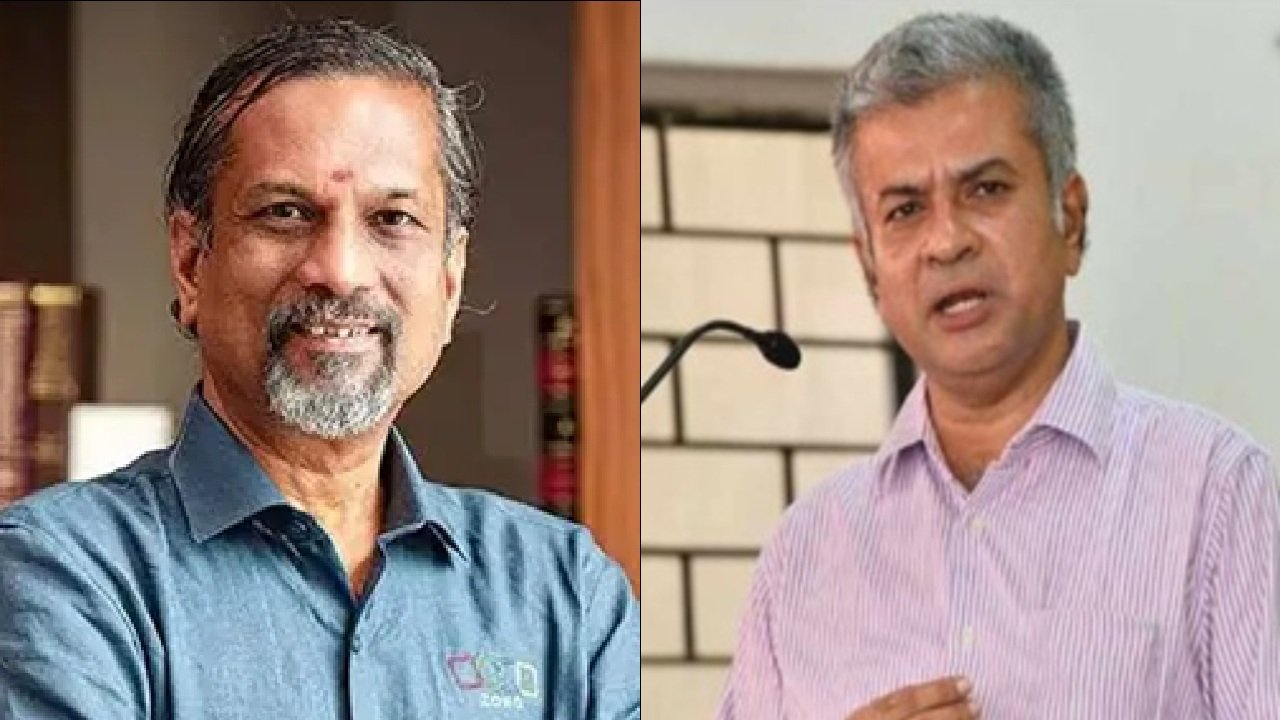
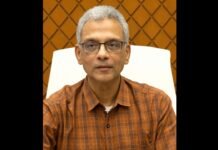
A recent viral post about Kerala cadre IAS officer Raju Narayana Swamy’s story of life on X has generated widespread public admiration for his honesty, anti-corruption crusade, and unwavering commitment to public service. Swamy is known as one of India’s most upright bureaucrats, who stood for integrity throughout his career.
But what has sparked renewed interest in Swamy’s life story is a personal touch added by Zoho founder Sridhar Vembu, who was Swamy’s classmate at IIT Madras.
In a startup ecosystem, a founder is often heard talking about technologies, markets, and turnover, but touching words of admiration for a whistleblowing civil servant are rare. But what struck many readers most was Vembu’s reflection on Swamy’s life choices.
At a time when many brilliant engineers and technocrats fly abroad for greener pastures, wealth, and comfort, Swamy chose to remain in India and serve the public through the civil services. Vembu says it was not a decision driven by money or status but by a sense of duty and a desire to make a difference within the country. According to him, Swamy believed he owed a debt to society, as it was public money that funded his education at the IIT.
Vembu says that while most of their classmates—including him—went abroad, Swamy chose to stay in India to serve it.
That is why Vembu’s memories of their student days highlighting the extraordinary academic brilliance of Swamy and his unswerving commitment to public service have mesmerized the social media audience.
Swamy was not only an IIT topper, but he also topped the UPSC Civil Services Exam in 1991. Swamy is often compared to fellow civil servant of Haryana cadre, Ashok Khemka. Besides, Swamy is also a Sahitya Akademi Award-winning writer. His study highlighting systemic gaps in India’s cybercrime enforcement is drawing wide-spread accolades.
According to Vembu, the Massachusetts Institute of Technology (MIT) offered him a full scholarship, but Swamy turned it down. He said the poorest Indians had paid for his IIT education through their taxes. He owed them something back,” that post says.
The viral post attributed Swamy’s decision to stay back in India to his urge to serve the people of his country. Swamy stayed in India and prepared for the UPSC exam and topped it.
But Swamy’s bureaucratic career has been marked by several transfers because of his uncompromising stand on corruption. Interestingly, Swamy’s crusade against corruption finds mention in a post on the IIT Kanpur website that reads: “Dr. Raju Narayana Swamy is an IAS officer highly known for his staunch stand against corruption. His relentless fight against illegal land dealings, real-estate businessmen and political bureaucrats comes from his ‘stubborn’ nature, as he likes to put it, when things turn ‘unjustifiable.’”
But why has the viral post resonated so widely? Because it tells a rare story—of a man with the talent to pursue global success, yet who chose the harder path of public service. Raju Narayana Swamy’s journey stands out as a reminder that brilliance and integrity can still go hand in hand.













 Get Latest Updates