

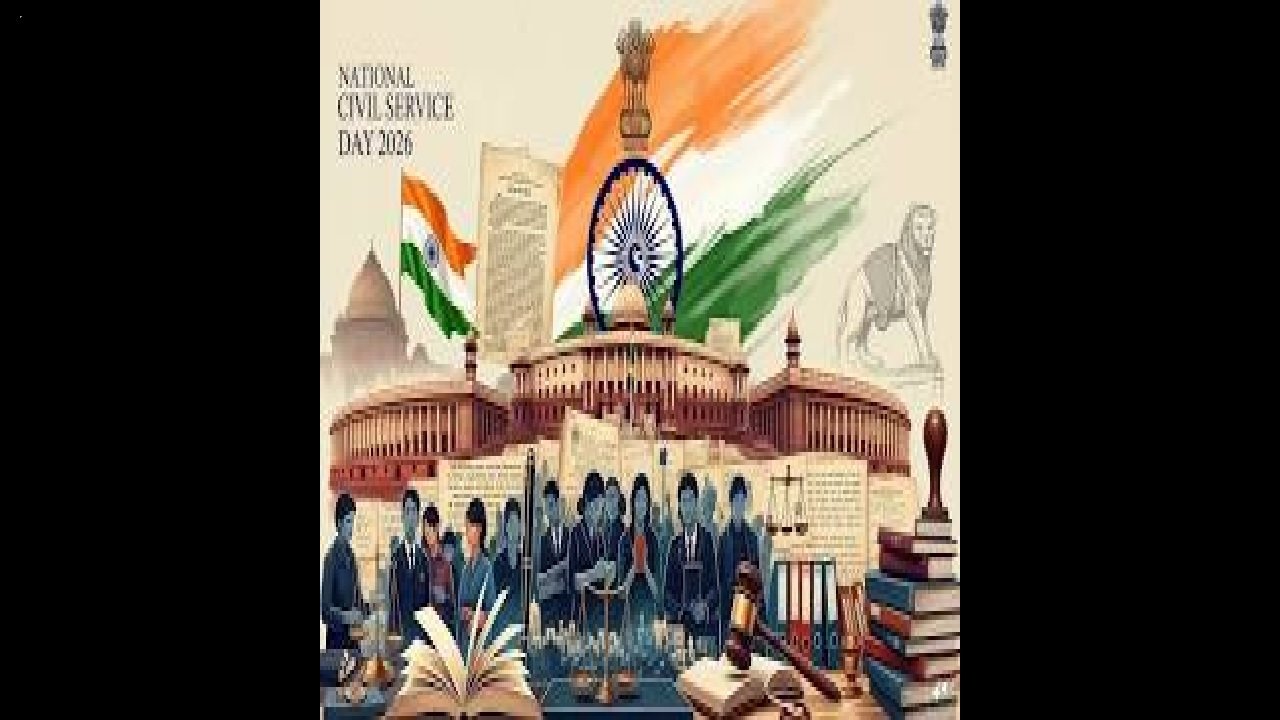
National Civil Service Day is observed every year on April 21 to celebrate Indian bureaucracy, to recognise the service of Indian civil servants. It is observed on this date, as it was April 21, 1947, when India’s first Home Minister, Sardar Vallabhbhai Patel, addressed the first batch of civil servants at the All India Services training school in Metcalfe House in Delhi.
It was when Patel described civil servants as the “steel frame of India,” underlining their importance in maintaining unity and administrative continuity.
The day acknowledges the role played by Indian civil servants in policy implementation, governance, and public service delivery. The day is observed to motivate civil servants to uphold transparency and accountability, to encourage innovation in governance, and to reinforce commitment to citizen-centric service.
National Civil Service Day virtually highlights the enduring relevance of this institutional backbone in a rapidly transforming nation.
Besides maintaining law and order, civil servants play a crucial role in implementing government schemes and welfare programmes, managing disaster response and crisis situations, as well as ensuring delivery of public services like healthcare, education, and infrastructure.
With digital governance and rising public expectations, the role of bureaucracy is evolving with a focus on data-driven decision-making and collaboration with the private sector and civil society.
The civil servants operate at central, state, and district levels, forming the backbone of governance.
The central government presents the Prime Minister’s Awards for Excellence in Public Administration on this day to recognise outstanding work by civil servants and districts in implementing innovative and impactful initiatives.
National Civil Service Day is a reminder of the critical role bureaucracy plays in shaping governance. Beyond policy-making, it is the administrative machinery that ensures continuity, stability, and delivery on the ground.

















 Get Latest Updates