




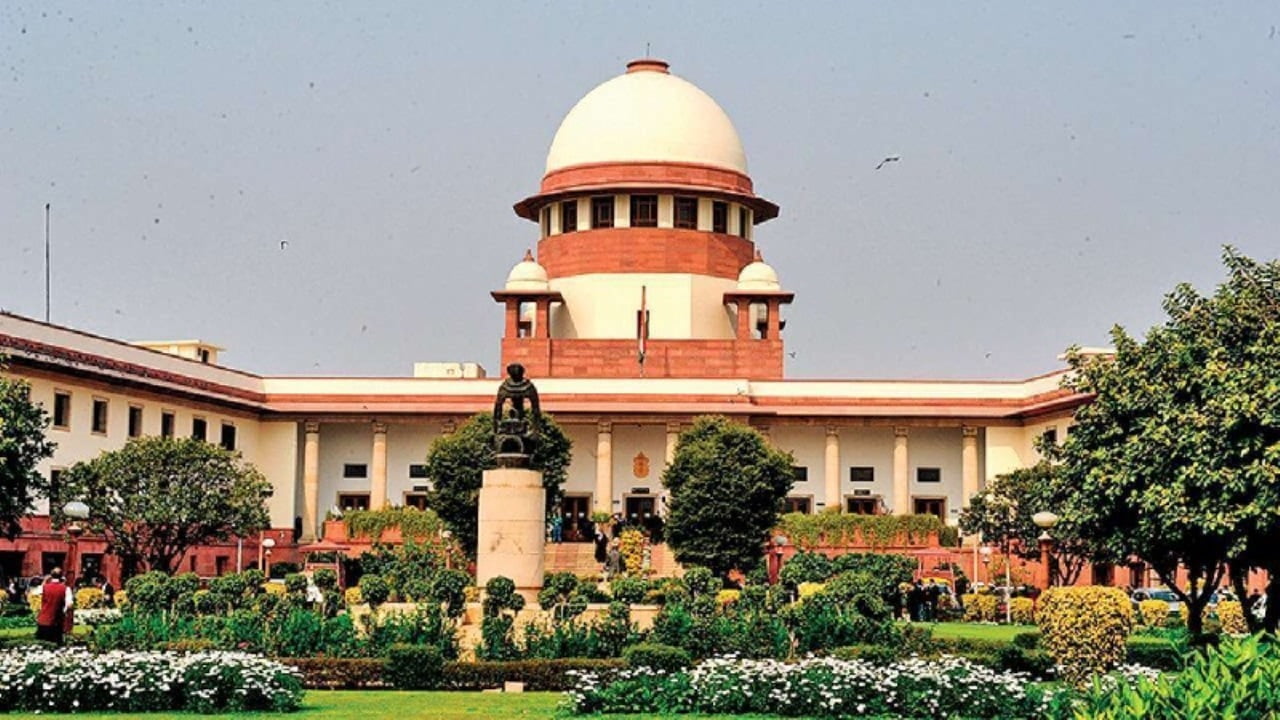
New Delhi: The Supreme Court is examining whether rules governing the appointment of Directors General of Police (DGPs) in States comply with its directions in the Prakash Singh case. The proceedings, which began with Jharkhand’s rules, have widened to cover similar arrangements in other States.
At the October 8 hearing, the Court had expressed a prima facie view that Jharkhand’s rule was contrary to its directions. It said that if the rule were found invalid, the appointment of the incumbent DGP could be set aside. The State was asked to notify the officer and could either revisit the rule or respond to the Court.
During the latest hearing, amicus curiae Raju Ramachandran said Tadasha Mishra, Jharkhand’s DGP, had been appointed a day before her retirement and continued in the post for around eight to nine months thereafter. He said similar rules were in place in Uttar Pradesh and Punjab, and argued that Jharkhand’s rule should not be examined in isolation.
Ramachandran told the Court that he had examined DGP appointment arrangements across States and would submit a comprehensive report on their compliance with the Prakash Singh directions. The Chief Justice of India asked him to include deficiencies in both legislative and executive arrangements, as well as their implementation.
The Court also discussed the different laws, rules and executive orders governing DGP appointments. Referring to an application filed by Prashant Bhushan on behalf of Prakash Singh, the amicus sought details from the States and the Union. The Court agreed that the Union could provide a consolidated account of the existing frameworks. Solicitor General Tushar Mehta agreed to assist, and the Registry was asked to circulate the comprehensive note to counsel.
Kapil Sibal, appearing for Jharkhand, said he had spoken to the Chief Secretary and that the State would examine the matter and file an appropriate application or affidavit. Counsel for Mishra said she would also file a response.
The Court allowed Mishra to file her counter-affidavit by November 16, 2026, and said it would consider the matter in light of the amicus report and the responses filed by the State and the DGP.















 Get Latest Updates