

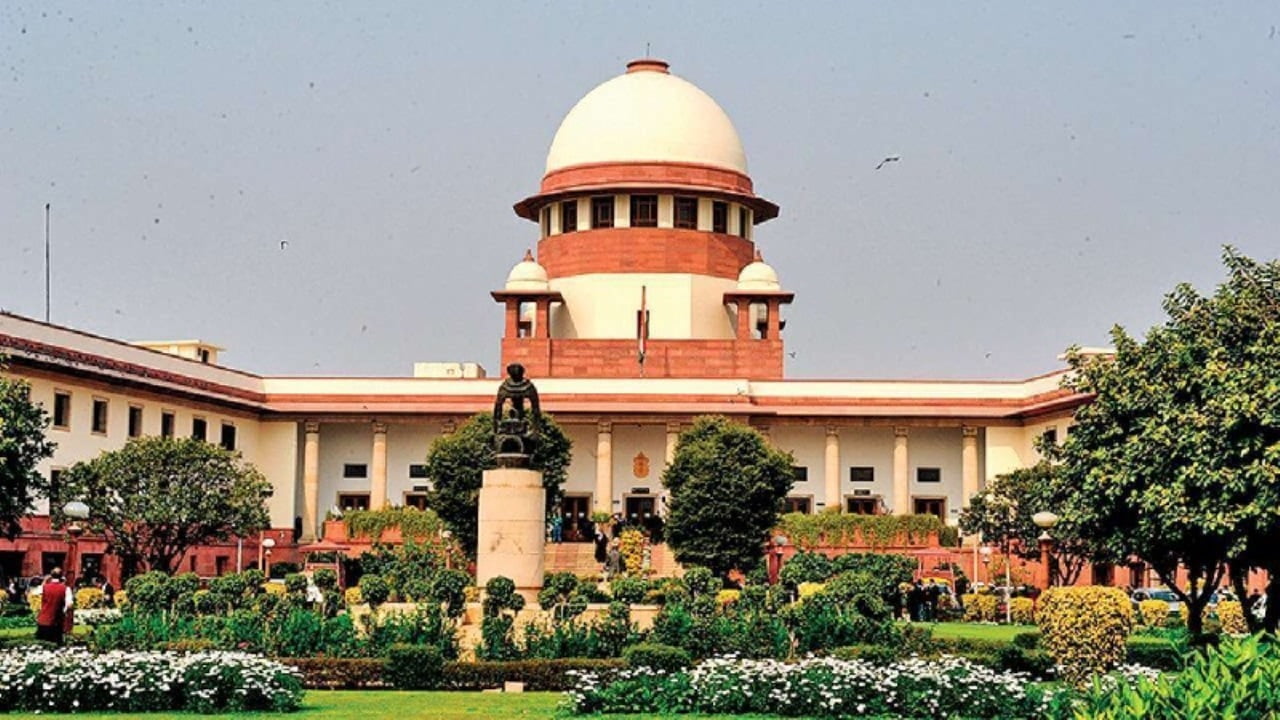
The issue of appointing a regular DGP in a state continues to bother the Supreme Court, with several states still preferring to have acting DGPs to appointing a regular one despite having enacted a separate Act for it. That is the reason why the apex court on Thursday (March 12) again addressed this issue, saying states that have enacted a separate Act for the appointment of a DGP will have to follow the law, and the states that do not have such Acts must follow the guidelines laid down by it in the Prakash Singh case of 2006.
It was clarified by the Supreme Court on Thursday after it was informed that Jharkhand and Uttar Pradesh have enacted a separate law for the appointment of the state police chief.
The message is clear. The Supreme Court wants the state governments to renounce the growing practice of having an acting DGP in this country; the sooner, the better.
The top court on Feb 5 had slammed the states for having acting DGPs and authorized the Union Public Service Commission (UPSC) to initiate contempt proceedings against the states that dilly-dally in sending proposals for empanelment to UPSC.
The apex court ruling came after it was told by the UPSC that several states keep on delaying sending the proposal for the appointment of DGP in total disregard of the apex court’s directions, and an ad-hoc arrangement by appointing the acting DGP was being preferred instead of a regular appointment.
It was the Supreme Court’s Feb 5 ruling that had set the stage for initiating the contempt proceedings against states like Andhra Pradesh, Bihar, and Telangana.
But a bench of Chief Justice Surya Kant and Justices Joymalya Bagchi and Vipul M Pancholi decided to close the contempt proceedings on Thursday against them after it was informed that they have sent a proposal to the UPSC for shortlisting names eligible to be appointed as state DGPs.
The apex court had granted four weeks to the UPSC to complete the process of empanelment and make a recommendation for the appointment of a DGP for Telangana, where the last regular DGP retired in 2017.
The top court had laid down elaborate guidelines in the famous Prakash Singh case in 2006, mandating the selection of DGPs from among three senior-most IPS officers empanelled by the UPSC and had set a fixed two-year tenure for them.
The SC counsel appearing for Jharkhand said the state has enacted a law for DGP appointment, which says that the selection of the IPS officer would be done by a committee headed by a retired high court judge.
Similarly, the top court was informed by the West Bengal government that it had submitted a proposal to the UPSC for suggesting names for the appointment of the police chief.
The top court also sought a response from the Chhattisgarh and Jharkhand governments on the appointment of DGPs in two weeks.
Senior SC advocate Raju Ramachandran, who has been appointed as amicus curiae in the case, said the states will have to send the names of eligible IPS officers to the UPSC, which in turn will finalise the panel of three names for appointment as DGP by each state.
Interestingly, a separate plea had been filed seeking to appoint the DGP by the panel of the Chief Minister, the Leader of Opposition in the state assembly, and the Chief Justice of the High Court on the pattern of selecting heads of the central agencies, but it was not supported by Ramchandran.
Ramachandran opined that the posts of DGP, Chief Secretary, and Home Secretary should be selected by the state government and not by a panel. He said it is important for the governance of the state that the government of the day must have confidence in these top officers.














 Get Latest Updates