

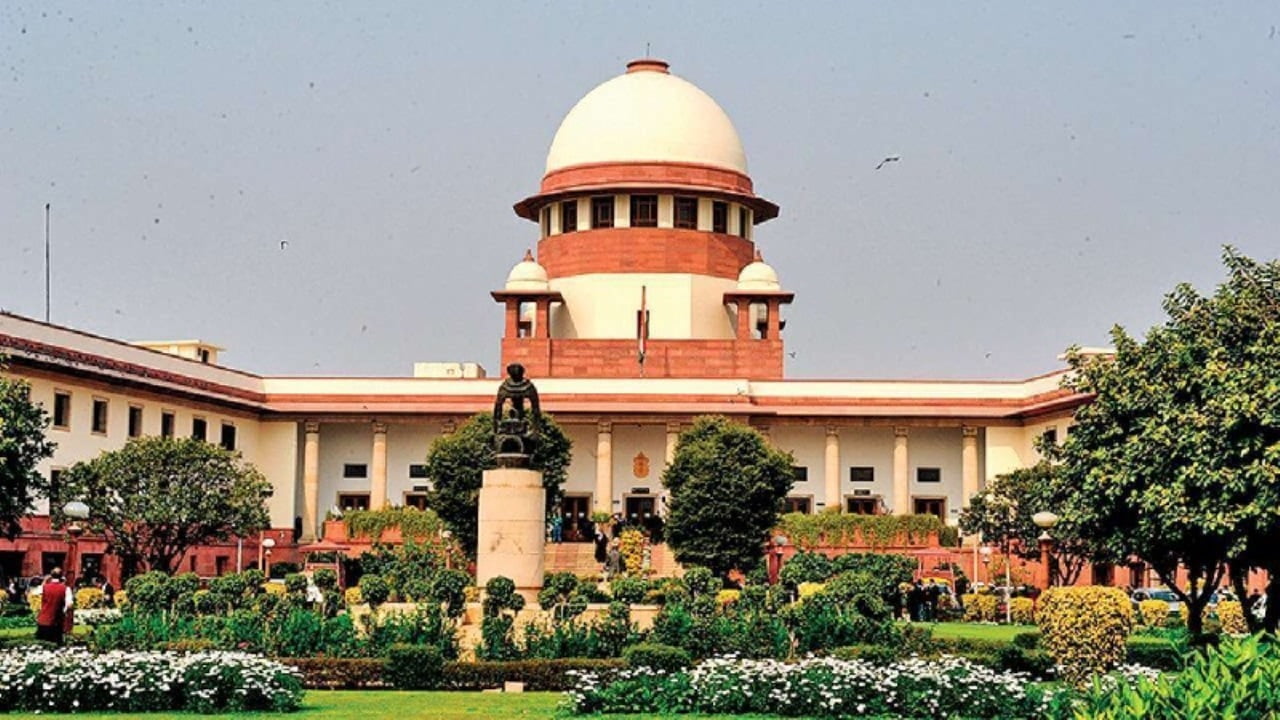
In an attempt to stamp out the growing culture of ad-hocism with regard to the appointment of regular DGPs by state governments, the Supreme Court came down heavily on states for dragging their feet in appointing regular DGPs by delaying submission of empanelment proposals to the Union Public Service Commission (UPSC).
The apex court went a step ahead on February 5 and granted authority to the UPSC to initiate contempt proceedings against states that fail to submit timely proposals for the appointments of DGPs.
The decision stems from continued delays by several states, notably mentioned in cases involving Telangana, to follow the Supreme Court’s guidelines in the Prakash Singh case regarding police reforms.
A bench of Chief Justice Surya Kant and Justice Joymalya Bagchi gave its ruling in a case involving Telangana. The top court fully endorsed the concern expressed by the UPSC regarding the inordinate delay on the part of several states in sending proposals for the appointment of DGPs.
The UPSC told the court that several states keep on delaying sending proposals for the appointment of DGP in total disregard of its directions. These states instead prefer an ad-hoc arrangement by appointing an acting DGP in place of a regular appointment, the top court was told.
The bench granted four weeks to the UPSC to convene a meeting and make a recommendation for the appointment of a regular DGP for Telangana, where the last regular DGP retired in 2017.
The court also emphasized that erring state officials should be held accountable for delays and will face consequences. The top court has virtually asked the UPSC to play a proactive role, as it is empowered to write to states, demanding compliance and flagging delays to the court.
The Supreme Court has long been trying to address this issue, yet several state govts are still making do with acting or ad-hoc DGPs.
Thus, the latest move is aimed at ending the trend of appointing acting or ad-hoc DGPs by state governments in clear violation of the apex court’s guidelines issued in the Prakash Singh case in 2006.
This is not an isolated case. There are several instances of violation of the apex court’s guidelines for appointment of regular DGPs by states, be it Haryana, Bengal, Jharkhand, or Telangana, to name just a few.
The top court also directed the UPSC to move an application in the Prakash Singh case if proposals are not sent on time by the state.














 Join Us on WhatsApp