

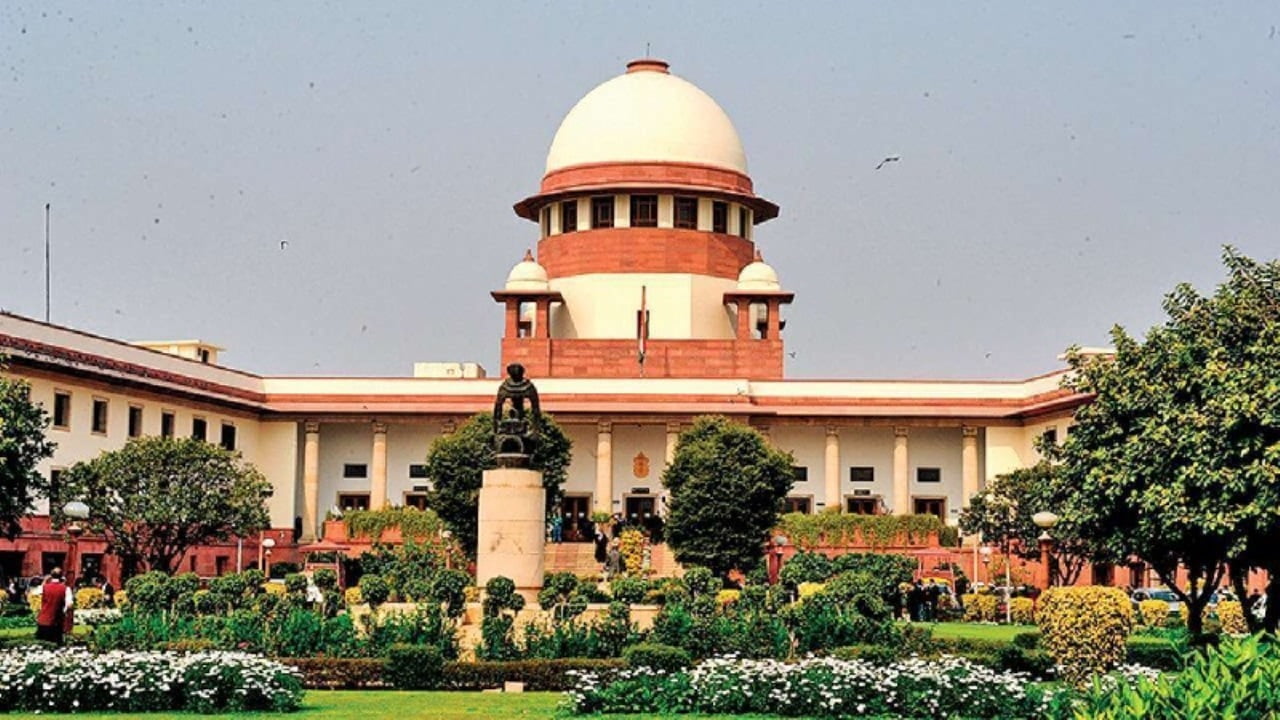
The Supreme Court vehemently criticized the perfunctory attitude of litigants, particularly government authorities, in complying with court orders. The apex court noted that govt bodies often file appeal or review petitions only when they face the prospect of contempt proceedings being initiated against them. The court said such conduct needs to be dealt with strongly, as it is eroding public trust in the judiciary.
A bench of Justices Ahsanuddin Amanullah and R Mahadevan said instead of being an exception, delayed appeals are increasingly becoming the norm in recent years.
The bench warned that such conduct undermines the authority of courts and may amount to criminal contempt in certain situations.
The Supreme Court’s strong observations came while hearing a contempt petition against officials of the Government of Chhattisgarh for failing to comply with a court order regarding the regularisation of certain employees.
The top court also dismissed the usual argument given in defence by authorities citing administrative hurdles or impossibility of implementing orders, saying such arguments cannot be raised during contempt proceedings if the court is not informed about the difficulty within the stipulated time.
The court finally granted the Chhattisgarh govt a final opportunity to implement the order within 15 days but not without instructing High Courts to take a strong view of such cases, especially when the litigants are state authorities or bodies covered under Article 12 of the Constitution.
Terming such litigants as “unscrupulous,” the top court asked High Courts to deal properly with such “unscrupulous litigants,” more so when they happen to be “state,” within the meaning of Article 12 of the Constitution, or like bodies, with an iron hand.
“It is the solemn duty of all of us manning courts across the hierarchy to ensure that the public faith never wavers,” the Supreme Court remarked.
While noting that justice must be tempered with mercy, the court said strong action is necessary in cases involving dishonest litigants and suggested that the judiciary may need to reconsider its “liberal approach to contempt.”
The bench also clarified that contempt proceedings are not limited only to parties directly before the court, but third parties or officials involved in the decision-making chain could also be held liable for non-compliance.














 Join Us on WhatsApp