

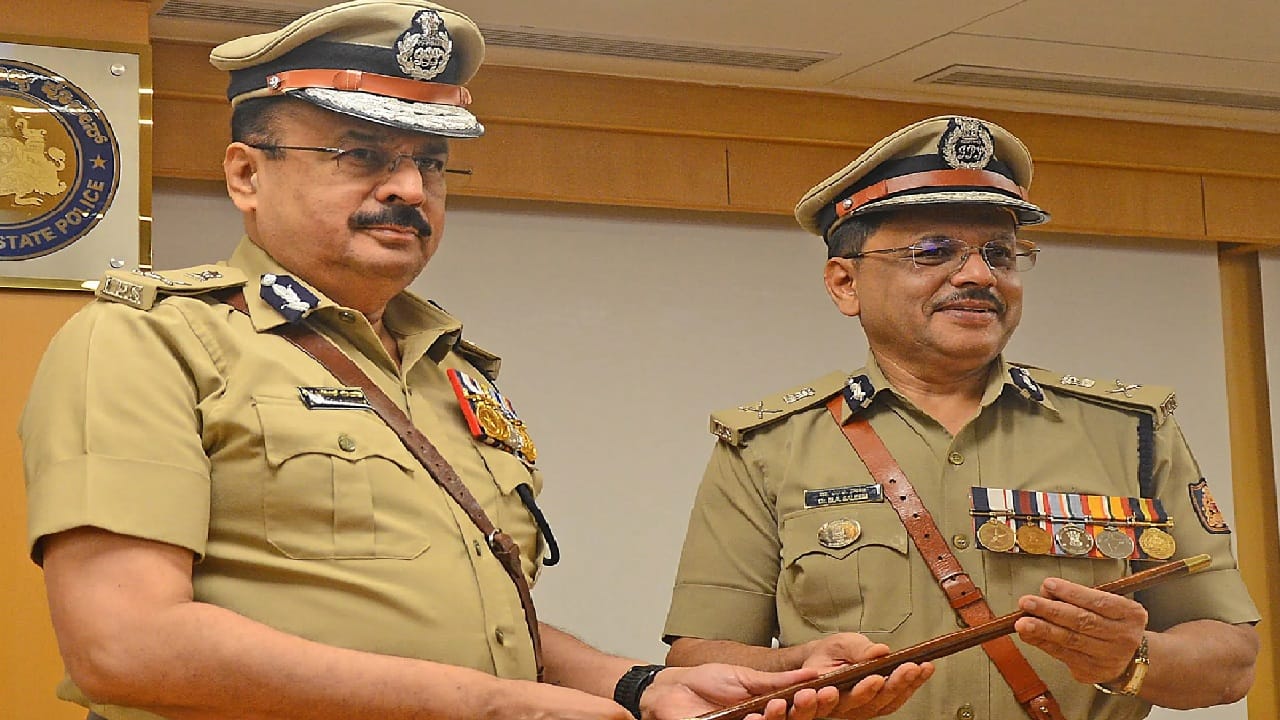
In an attempt to end the practice of the orderly system, the Karnataka DGP, M. A. Saleem (IPS:1993:KN), has ordered the withdrawal of all police personnel posted as orderlies at the residences of senior officers. The DGP has ordered to deploy them to regular policing duties. Though this move has been welcomed by various quarters, it is not without the sense of skepticism being voiced over it given the past experience.
This latest order seeks to deploy some 3,000 police personnel currently engaged in such odd duties back to core policing work.
The orderly system has existed in several parts of this country as a vestige of the British Raj, where police constables are made to perform domestic chores at officers’ residences.
This system continues to exist despite the government sanctioning a limited number of civilian posts by introducing an allowance so that officers could hire domestic help privately.
This system had officially been banned in 2017 following widespread criticism and protests within the constabulary, but it proved largely cosmetic, as many orderlies themselves returned to officers’ residences once the furore calmed down.
This malaise is not Karnataka-specific but a pan-India phenomenon despite occasional condemnation. The National Police Commission recommended its abolition decades ago, arguing that it demoralises the rank and file and diverts manpower from essential police duties. The courts, too, have been scathing.
The orderly system is virtually a symbol of feudalism within the police hierarchy. That is the reason why the Madras High Court described it as a form of “colonial slavery.”
Its condemnation is not restricted to courts alone; even political leaders have expressed outrage. Kerala Chief Minister Pinarayi Vijayan described the system as a form of slavery and a violation of human rights. Some states have already begun experimenting with alternatives.
The Tamil Nadu govt has already formed district-level monitoring committees headed by the collector to track compliance of its abolition, while Telangana has linked the withdrawal of orderlies to broader police reform initiatives. But the tragedy is that despite these moves, the powerful lobby of top-ranking police officers has ensured any such attempts are foiled.













 Join Us on WhatsApp