

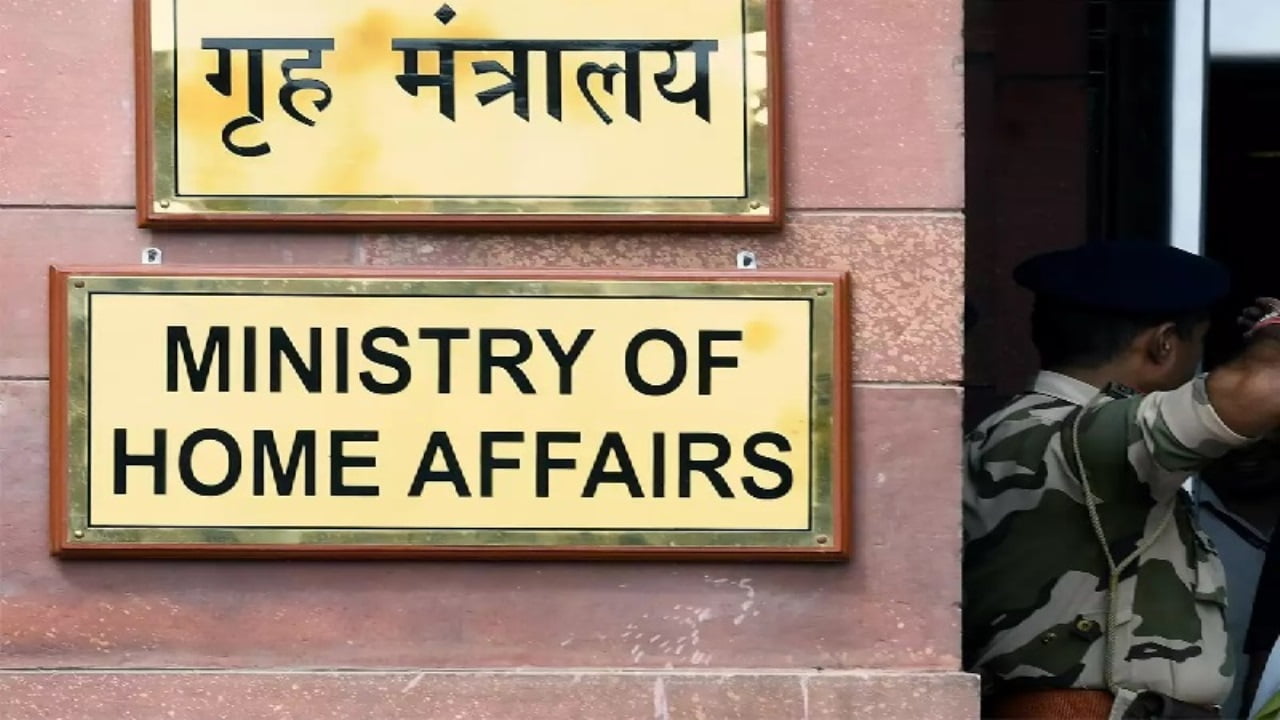
In a significant and sensible decision, the Union Home Ministry has declared the Indian currency-maker, Security Printing and Minting Corporation of India Limited (SPMCIL)’s headquarters in New Delhi, as a “prohibited place.” It has been done under the provisions of the Official Secrets Act, 1923, keeping in mind the highly sensitive nature of work that the SPMCIL is engaged in.
The SPMCIL’s headquarters is located in Tower-G of the World Trade Centre in New Delhi’s Nauroji Nagar. Under the Official Secrets Act, areas designated as prohibited places are subject to enhanced security restrictions.
It is worth mentioning here that the SPMCIL is a Miniratna category I Central Public Sector Enterprise (CPSE) under the administrative control of the Department of Economic Affairs under the Ministry of Finance. It plays a highly sensitive role in the national economy by being responsible for the manufacture and production of currency and banknotes, security paper, non-judicial stamp papers, postal stamps and stationery, travel documents such as passports and visas, security certificates, cheques, bonds, warrants, special certificates with security features, security inks, circulation and commemorative coins, medallions, refining of gold and silver, and assay of precious metals.
The SPMCIL was incorporated on January 13, 2006, and was assigned the responsibility of the management, control, maintenance, and operations of the erstwhile nine production units under the Currency and Coinage Division of the Economic Affairs Department with effect from February 10, 2006. The nine production units comprise four Central Government mints, two currency note presses, two security printing presses and one security paper mill.
As per the Act, the ‘prohibited place’ means complete restrictions on unauthorised access, photography, sketching, or collection of information. Any breach can attract penal provisions under the Act. The move is aimed at strengthening security measures around sensitive government establishments dealing with strategic and high-security operations.
By issuing a notification to this effect on February 18, the Internal Security-I Division of the Home Ministry exercised powers under sub-clause (c) of clause (8) of section 2 of the Official Secrets Act, 1923. The order supersedes an earlier notification dated February 15, 2022, except for actions already taken under the previous notification.
The notification says that the decision was taken considering that information related to the premises, or any damage thereto, could be useful to an enemy. The government stated that it is expedient to take precautions to prevent the entry of unauthorised persons into the premises.
















 Join Us on WhatsApp