

It sounds ludicrous in a democratic setup to use an honorific for an elected representative, as it is the common people who occupy the most honourable position in a democracy. The matter of fact is the usage of titles is a remnant of royal and colonial rule.
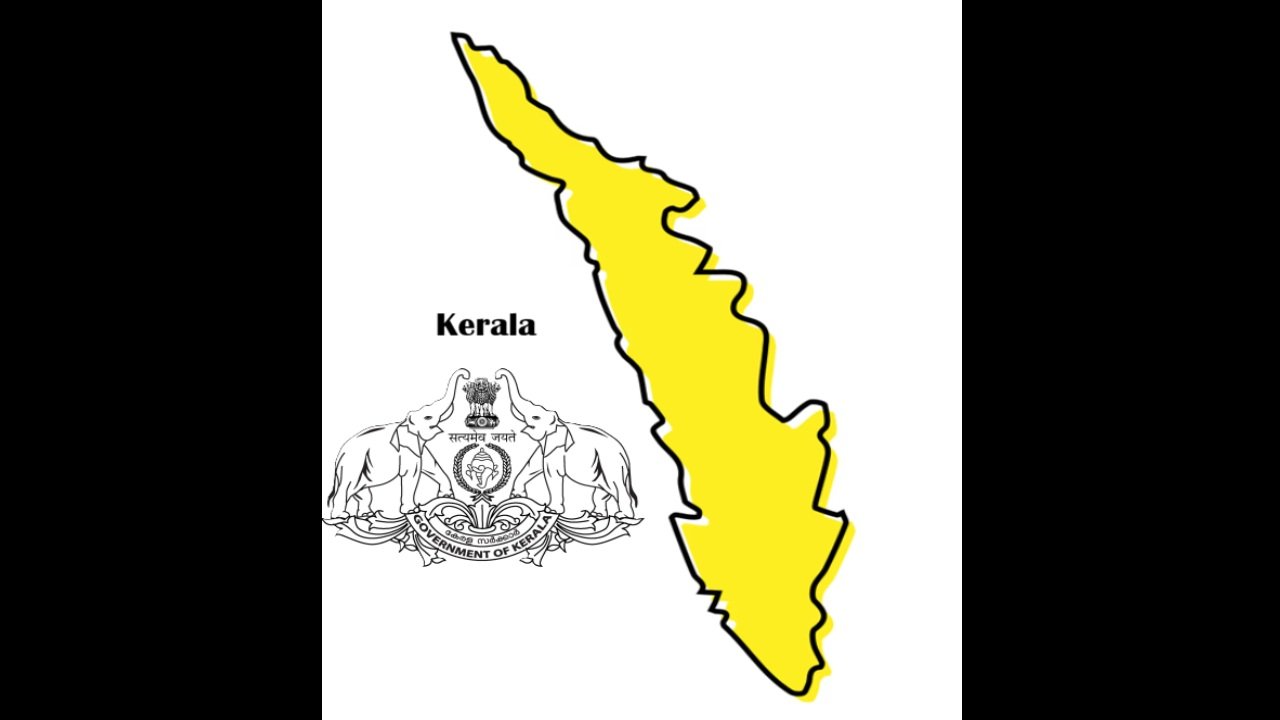
This thinking seems to have guided Chittur-Thathamangalam municipality in Palakkad to decide to stop using the honorific “honourable” before the names of its Chairman and Secretary. It has happened despite the Kerala government’s refusal to remove it. Though the state govt accepted in principle that there was no law requiring honorifics to be used before elected representatives.
This is not the lone example of a municipality deciding to drop this honorific. Before it, the Mathur panchayat in Palakkad has already done away with the practice of using honorifics like ‘sir’ and ‘madam’ in its offices.
The Chittur Municipality Chairman, Sumesh Achuthan, said the decision was based on the belief that honours and titles were not necessary to use for public servants either. He puts forward the rationale behind such a decision, saying the honorific creates a divide between citizens. “We aim to ensure equality, dignity, and civil rights for every citizen of Chittur as guaranteed by the Constitution,” he explains. The decision will soon be presented in the council for ratification.
This is not all. The municipality will also not use the honorific in its documents and letters to the govt.
Sumesh happens to be the son of former Chittur MLA K Achuthan.
Sumesh feels that when respect is documented in govt notices, plaques, and official letters, it serves as a reminder of authority, creating an impression that public servants must be respected and honoured. Sumesh further says terms like ‘his majesty,’ ‘your highness,’ used as forms of address, disappeared with the end of monarchy, but the tradition continues.
There is no denying the fact that new titles were introduced for modern-day rulers, and the term ‘honourable’ found its way into official documents and inscriptions with a bit more prominence. The use of the term ‘honourable’ became fashionable to address too many people holding positions in the bureaucracy as well as the elected government.
Interestingly, the state govt, while responding to an RTI, had said the honorific was intended to respect the position and not the person and that it was part of basic courtesy in a democracy. But Mattumantha is adamant and even requested other local bodies to emulate such initiatives.













 Join Us on WhatsApp