

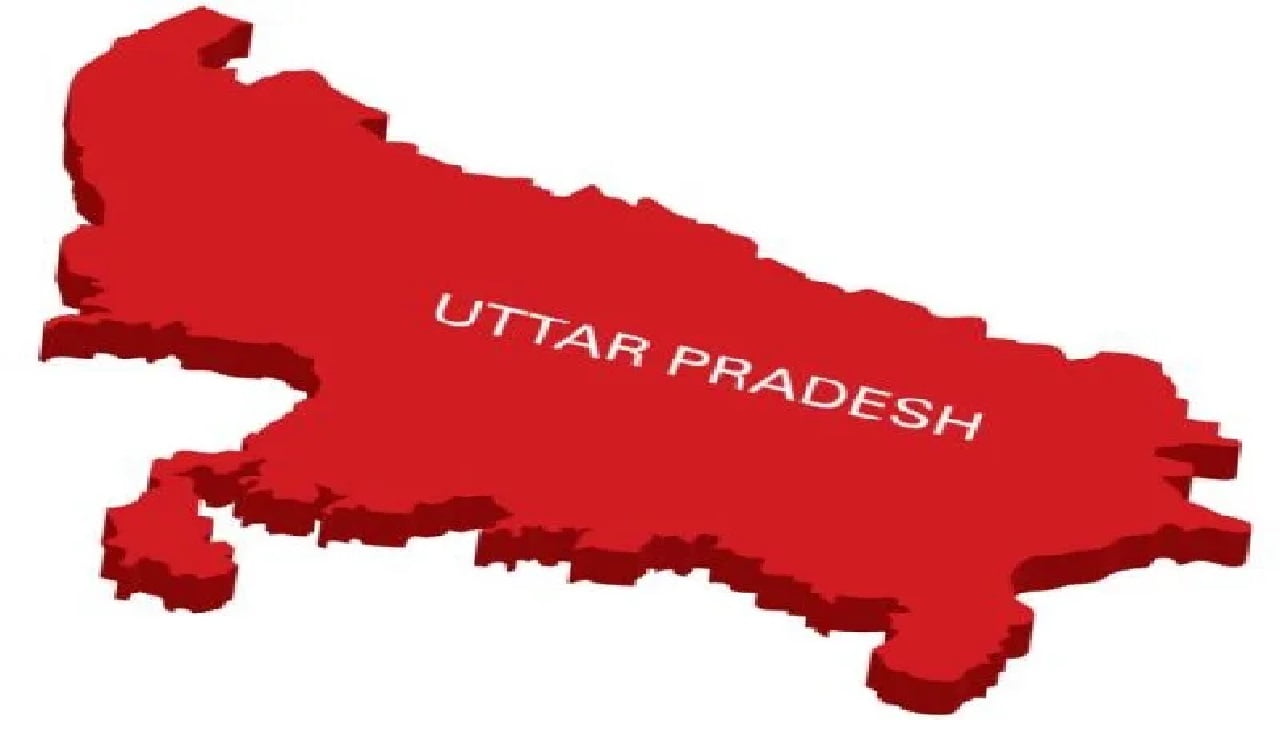
In a significant move to reduce cadre pressure, the Union Government has increased the quota of the IAS officers for Uttar Pradesh. The state will now have 31 more IAS officers in its cadre after the revision of its sanctioned strength from 652 to 683. It was done through an amendment in the Indian Administrative Service (Fixation of Cadre Strength) Regulations, 1955, brought in by the Union Government.
The decision to increase UP’s cadre strength was notified by the Department of Personnel and Training (DoPT) on December 31, 2025. The revised strength also came into effect immediately after its publication in the Official Gazette.
According to the notification, 476 posts will be filled through direct recruitment, while 207 posts will be filled through promotion.
The DoPT’s notification states that the total number of senior duty posts in the Uttar Pradesh cadre has been fixed at 370, the Central Deputation Reserve (CDR) capped at 148 posts, and the State Deputation Reserve limited to 92 posts. The Training Reserve stands at 12 posts, and the Leave Reserve and Junior Posts Reserve at 61 posts.
The revised cadre structure includes key senior positions such as Chief Secretary, Agriculture Production Commissioner, Industrial Development Commissioner, Divisional Commissioners, Principal Secretaries, District Magistrates, and several heads of departments and statutory authorities.
According to the new cadre regulation, there will be 25 principal secretaries, 12 divisional commissioners, and 46 secretaries to the state government. Besides, the cadre includes 75 district magistrates and 84 special secretaries to the state government. The cadre strength also covers senior positions in urban development authorities, power distribution companies, health missions, rural development agencies, and regulatory bodies, among others.











 Join Us on WhatsApp