

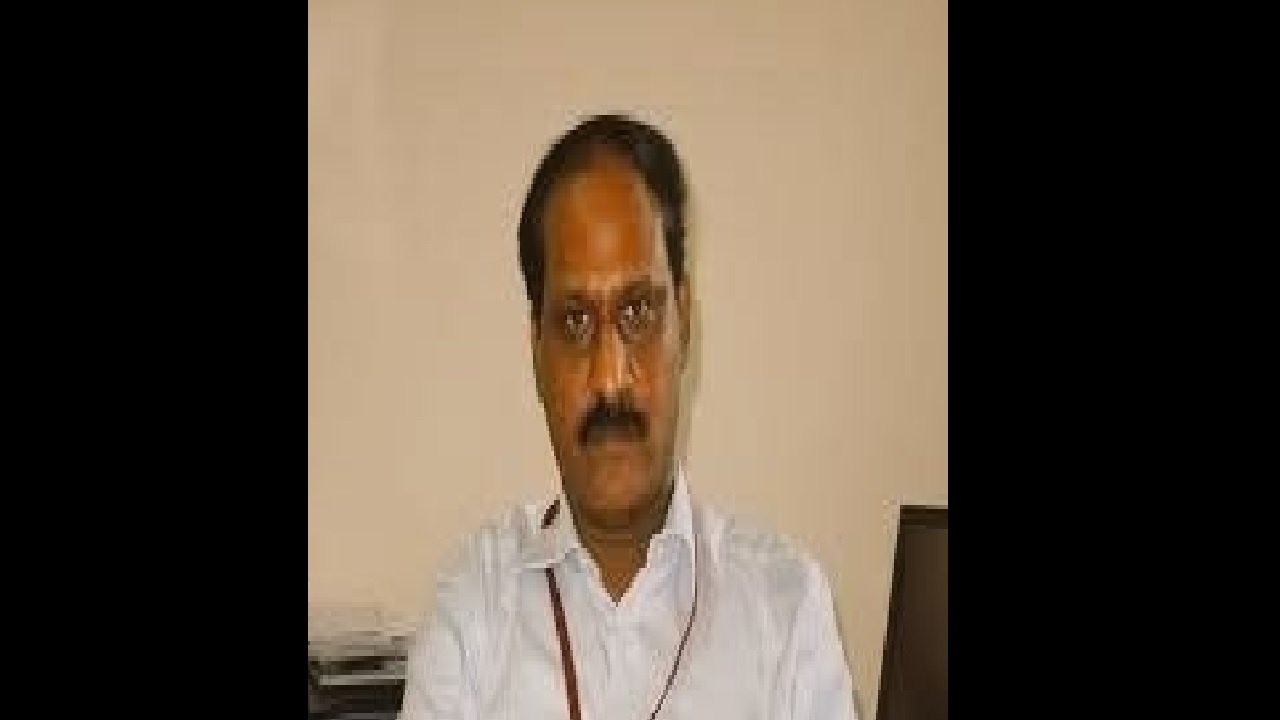
In an event that is bound to bring laurels to the Haryana bureaucracy, a senior state cadre IAS officer, Raja Sekhar Vundru (IAS:1990:HY), enlivened the United Nations by delving deep into B R Ambedkar’s global vision in his keynote address at the United Nations Headquarters on April 14.
The event had been organized by the Permanent Mission of India to mark the 135th birth anniversary of Dr. B. R. Ambedkar, the father of the Indian Constitution.
The theme of the event was ‘Dr. B. R. Ambedkar’s Vision of Constitutional Morality and its Relevance for Multilateralism.’
Vundru, who is currently posted as Additional Chief Secretary in Haryana’s Transport Department, is a noted Ambedkar scholar.
At the UN event, he deftly explained Article 51 of the Indian Constitution, saying it reflects the spirit of multilateral cooperation, respect for global norms, and peaceful resolution of conflicts—core elements of the UN Charter (1945), which India signed as a founding member.
Vundru was clear in his thought when he said multilateralism was embedded as a foundational state obligation in Article 51 for India, as it committed independent India to cooperative internationalism, respect for global law, and peaceful relations—principles that continue to influence India’s role in the UN and world affairs today.
He pointed out that Ambedkar was aware of the development of UN ideals embodied in the UN Charter and the Universal Declaration of Human Rights (UDHR) and made a significant and well-documented influence on key parts of the Constitution.
According to him, Dr. Ambedkar repeatedly defended the justiciability of the Fundamental Rights in the Constituent Assembly, insisting that they must be enforceable against the State to be meaningful—directly aligning with the UN’s vision of rights that are real, not merely aspirational.
Vundu informed the august gathering that while introducing the draft Constitution in the Constituent Assembly on November 4, 1948, Ambedkar had said that “constitutional morality is not a natural sentiment. It has to be cultivated. We must realize that our people have yet to learn it. Democracy in India is only a top dressing on an Indian soil, which is essentially undemocratic.
Earlier, India’s Permanent Representative to the UN, Ambassador Harish Parvathaneni, noted that Dr. Ambedkar’s ardent advocacy for instilling the spirit of constitutional morality among Indian citizens was very significant and unique. He identified common strands between the Constitution of India and the UN Charter.














 Get Latest Updates