

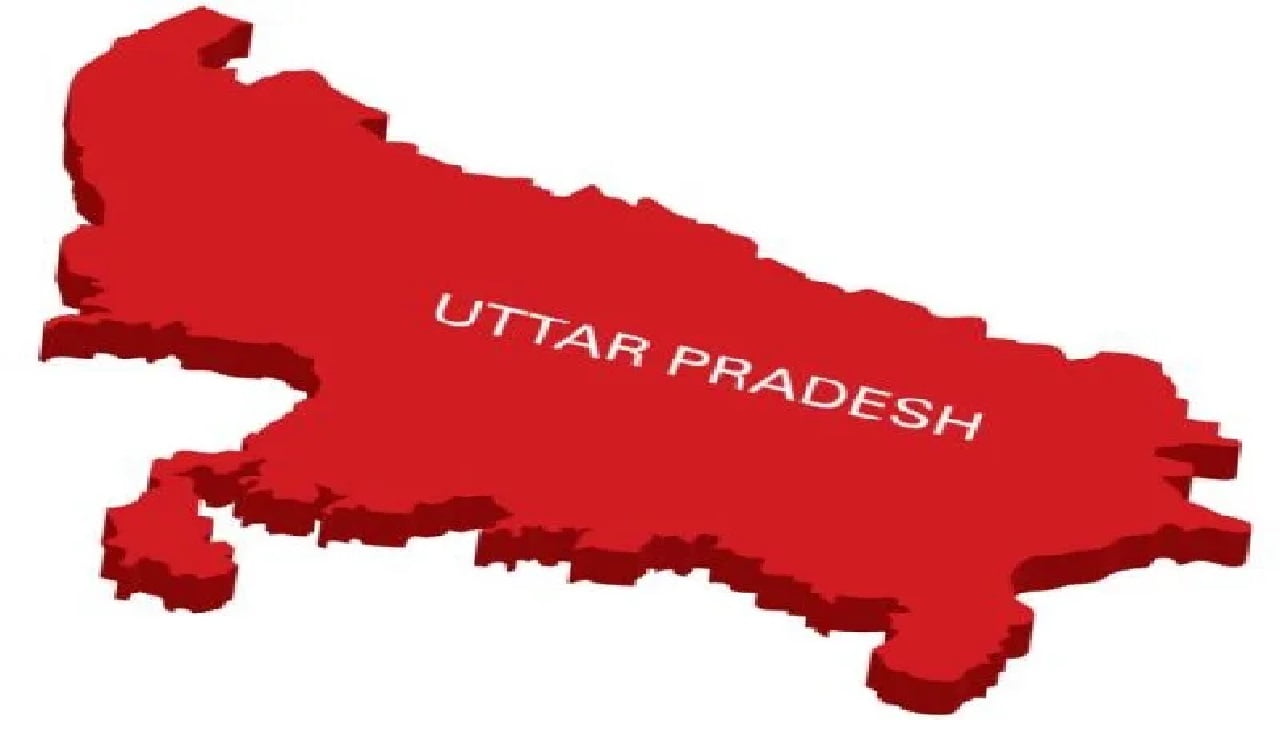
The Uttar Pradesh bureaucracy is dogged by a bizarre trend—the growing number of senior IAS officers seeking voluntary retirement (VRS) one after another. And the state government has no option except watching it helplessly. The result: about a dozen of them have already left the service, and many more are expected to follow suit and quit in the coming months.
This figure also includes those who opted for VRS in the past few years. Most of the officers cited personal (including health) reasons to quit the elite job.
One major reason behind this trend is the availability of better opportunities outside government service. It is raising a serious concern in the corridors of power.
Among the latest to seek VRS is 2004-batch officer Anamika Singh, whose decision triggered a fresh debate over the reasons behind the exodus. Similarly, Amod Kumar (IAS: 1995) is another officer who recently resigned. Those who have taken VRS in recent years include Vikas Gothalwal (IAS:2003), Vidya Bhushan (IAS:2008), G Sreenivasulu (IAS:2005), Rajiv Agarwal (IAS:1993), Mohammad Mustafa (IAS:1995), Rigzin Samphael (IAS:2003), Renuka Kumar (IAS:1987), and Juthika Patankar (IAS:1988). Rakesh Varma and RP Singh are also among those who left. Another UP cadre officer, Abhishek Singh (IAS:2011), resigned recently.
There is a sole example of G. Sreenivasulu, who withdrew his VRS request and returned to the service.
A senior official confirmed that Anamika Singh’s request for VRS is being processed. It was rumoured that it was the denial of central deputation to her that prompted her to seek VRS. But the source says she had not applied for central posting in the recent past.
The fact remains that there has been a sense of resentment among a section of UP-cadre IAS officers over their low representation at the Centre. Officers often claim that getting empanelled at the Centre is becoming increasingly difficult.
There is a perception among the IAS officers that postings in Varanasi or Ayodhya brighten their chances of securing central deputation, as many of them have done so in recent months. The reason behind it is that these key locations bring the officers to work into closer coordination with the Centre, increasing their chances of being picked.
The IAS Association of the state, which earlier used to take up the issues with the state government, has not come out with any view on this issue. Not only this, but the association has not been able to hold its ‘service week’ for the past few years. It has also contributed to the trend, as the annual general body meeting used to be organised during the ‘service week’ that provided an opportunity for the officers to raise their concerns.
Thus, the state government’s reluctance in clearing requests for central deputation is considered to have acted as a catalyst prompting the exodus.
But undeniably, the state government has its own reason behind not giving its nod, because it is facing shortages of officers at some levels in the state IAS cadre. But at the same time, it’s frustrating for many.
Whatever the reasons, it needs to be pondered as to why officers are leaving the bureaucratic careers once considered one of the country’s most sought-after government services.

















 Get Latest Updates